
Animals in the wars of the ancient world. Nefedkin A.K.
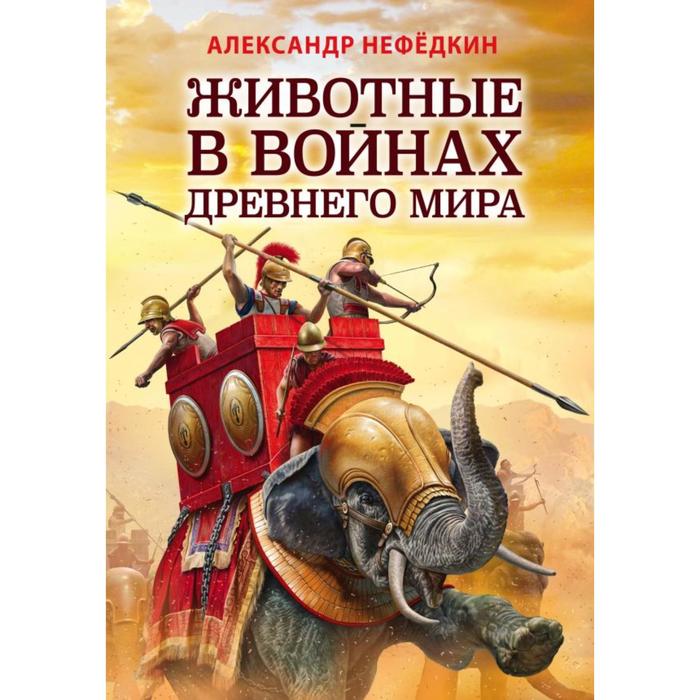
The term “elephantery”, recently introduced into the Russian language, denotes combat elephants as a kind of troops. For the first time for military purposes, elephants began to be used about three thousand years ago in ancient India. The “crew” of the elephant consisted of two or three people-the soldiers sat on a motley blanket or on a special saddle, and the elephant’s legs were guarded by four infantrymen attributed to the animal (“Stop Guards”). Elephantry was the main shock force of the Indian army: during the battle of Gidaspa (326 BC), the elephants of Raja was time to attack the legendary phalanx of Alexander the Great. After the battle, Alexander formed a guards detachment from the trophy elephants, planting heavily armed infantrymen on the backs of animals. The era of Hellenism truly became a time of heyday of elephantery. In the III - middle of the II century. BC. The armies of the most powerful states (Macedonia, Syria, Egypt) stood dozens of battle elephants. The Romans, who have learned to successfully fight Elephantery, also acquired this kind of troops. The elephants of the eternal city fought with the Macedonians, the Spanish Celtibers, the Galls of Allobogues, and Emperor Claudius even planned to use them on a campaign in Britain in 43 AD. Doctor of Historical Sciences A.K. Nefenkina in all details restores the history of the combat use of not only elephants, but also dogs, horses, donkeys, bulls, camels during military conflicts of the ancient world.
| Characteristics | |
| A country | Russia |
| Age | From 16 years old |
| Author | Nefedkin Alexander Konstantinovich |
| Kit | No |
| Number of pages | 272 |
| The year of publishing | 2021 |
| Type of cover | Hard cover |
| Type of paper | Offset |
There are no reviews for this product.