
Classical utopia of stories. Wells G.J., Sirano de Bergerac S., Bacon F.
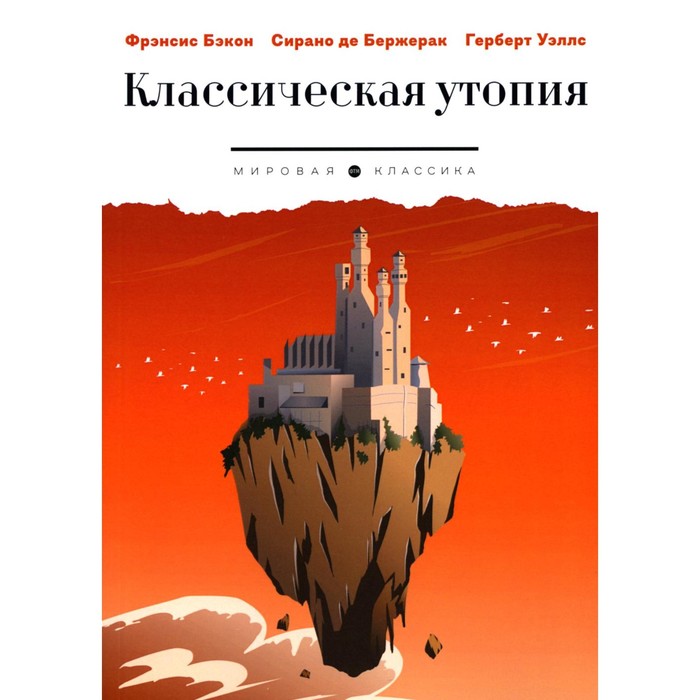
The word “utopia” in translation from the ancient Greek has a double meaning - “a place that is not” and “good place”. The combination of these two meanings formed the basis of the genre of fantastic literature - works describing unprecedented civilizations, the harmonic structure of which ensures universal happiness and prosperity. The father of this artistic form is considered the British humanist Thomas Mor, who in 1516 created a work with the lengthy name "Golden Book, as useful as the best, about the best structure of the state and about the new island of utopia." The name of the wonderful island was a household name for the whole genre. In subsequent centuries, the dreams of the upcoming golden century and earthly paradise gained many incarnations in the work of different authors.
The present edition included utopian novels of outstanding European writers - Francis Bacon, Sirano de Bergerak and Herbert Wells. Gathered together, they allow you to see how subjective the image of the ideal world can be: from a technocratic triumph to a bizarre abode of fantastic creatures. All of them, as well as other creators of utopias, however, unites one thing - deep discontent in the modern order and a passionate desire to erect (or at least imagine) in its place a wonderful new world.
| Characteristics | |
| A country | Russia |
| Age | From 16 years old |
| Author | Bacon Francis |
| Number of pages | 372 |
| The year of publishing | 2024 |
| Type of cover | Soft binding |
There are no reviews for this product.