
Combat chariots with sickles. "Heavy tanks" of the ancient world
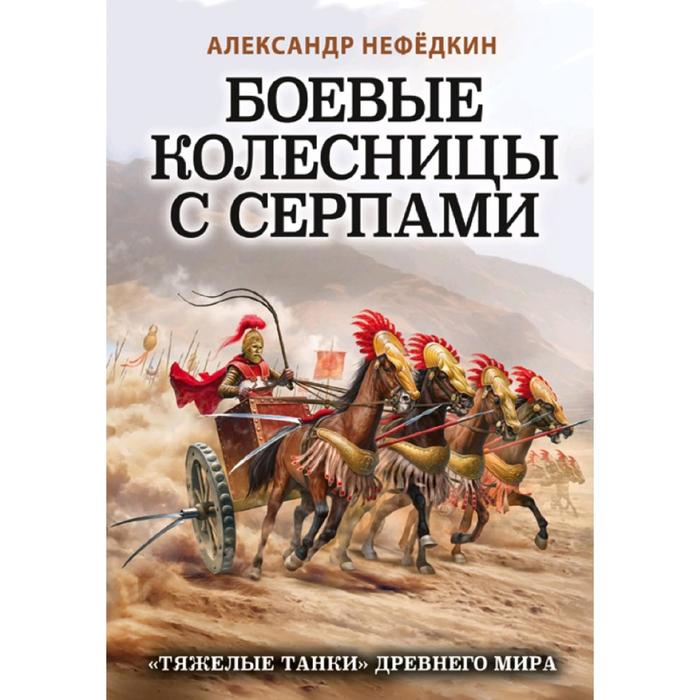
Cherpoposny chariots often / so unexpectedly tear the bodies in an erratic massacre, / that on the ground to see cut off their arms and legs... - So the Roman poet described the deadly effect of chariots with sickles on the battlefield. Chariots with clubfoot blades about a meter long, installed on wheels on each side of the quadriga, for almost four hundred years - from the battle of the Persians with Greek mercenaries under Kunax (401 BC?) Until the battle of the Pontic troops with the legions of Caesar under the potion (47 BC?) - were a formidable and effective means of destroying a cohesive system of enemy infantry, which caused serious injuries to the enemy soldiers and sowing panic in enemy ranks. To the commanders of the ancient world, the psychological effect of the attack of sickle chariots was well known. Having appeared in Persia, these “heavy tanks” of antiquity were then actively used in the state of Seleucids and the Pontian kingdom. Persian chariots with sickles strongly acted against the army of Alexander of Macedon in the legendary battle of Gavgamels, and in the battle of amniy wounds inflicted by Pontic chariots brought enemies into real horror. In modern times, until the 19th century (!), The minds of scientists and designers did not leave the idea of reviving this type of weapon. The new book of the leading specialist in the military history of ancient peoples, for the first time not only in domestic, but also in world literature, in all details recreates the history of the combat use of chariots with sickles, their design, weapons, composition and equipment of the crew.
| Characteristics | |
| A country | Russia |
| Age | From 16 years old |
| Author | Nefedkin Alexander Konstantinovich |
| Kit | No |
| Number of pages | 304 |
| The year of publishing | 2019 |
| Type of cover | Hard cover |
| Type of paper | Offset |
There are no reviews for this product.