
Dove necklace. Hazm I.
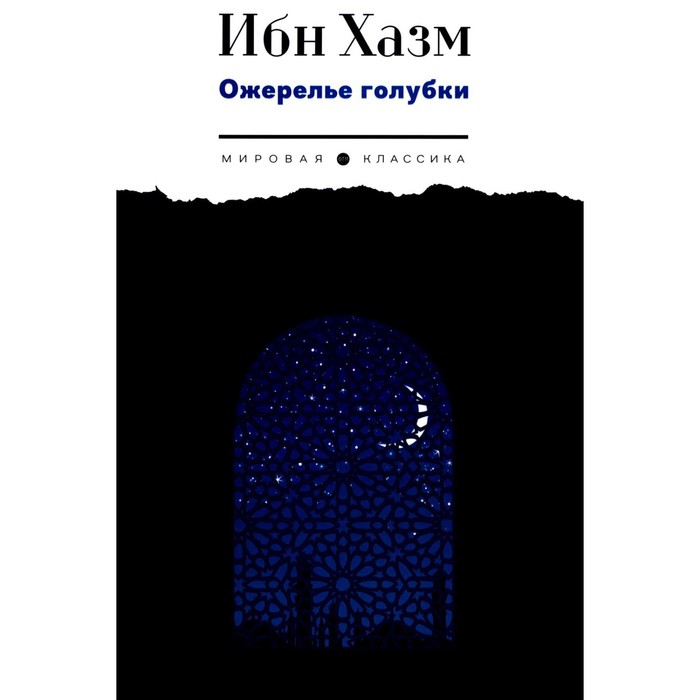
“The necklace of the pigeons” (“Tooucal-Hamman”) is an amazing monument to medieval Arabic literature, created in 1022 by the poet, historian and philosopher ibn Khazm (Abu Muhammad Ali Akhmad al-Andalusi; 994–1064).
The essay is a treatise about love - a genre, widespread in Bedouin poetry, which gave rise to the classic pairs of Medzhnun and Leila, Jamil and Buseyns, etc. Ibn Khamas, however, did not want to follow the established tradition. In his performance, the theme of love acquires incredible breadth. With scholastic accuracy, the author describes the causes and properties of a heart feeling, its diverse manifestations, characters and types of lovers. The faithful heritage of Arabic literature Ibn Hazz remains at the level of the syllable. Insert fragments - poems and stories about real love stories - are written with that exquisite poetic skill that is familiar to the reader in the immortal “thousand and one night.”
The very image of the “dove”, which was not a symbol of the world in this era and meekness, but preserved, in accordance with the Babylonian tradition, the meaning of voluptuousness, contains parting words and warning: truly death and salvation come to us from one source.
| Characteristics | |
| A country | Russia |
| Age | From 16 years old |
| Author | Ibn Hazm |
| Number of pages | 260 |
| The year of publishing | 2023 |
| Type of cover | Soft binding |
There are no reviews for this product.