
Editing humanity: the CRISPR revolution and the new era of genome changes. Davis K.
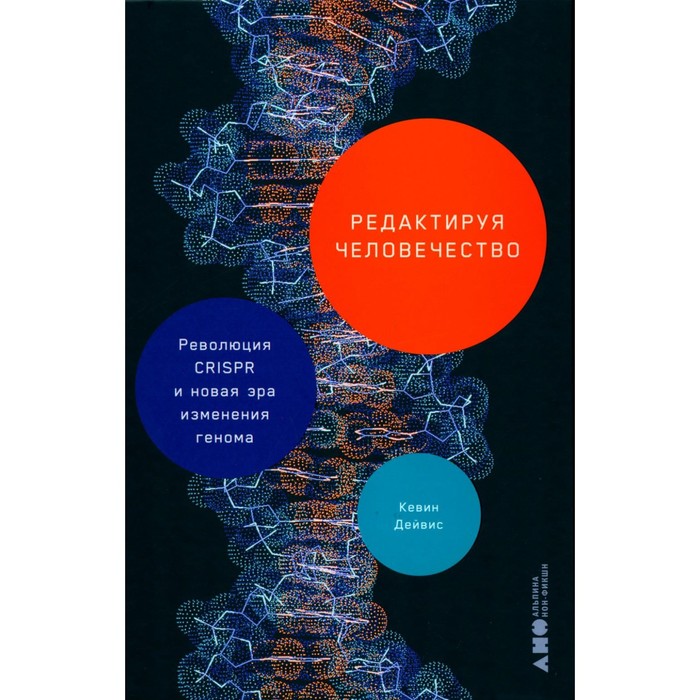
Kevin Davis, the founder of the journal Nature Genetics, devoted his book the history of the appearance and development of the genome editing technology, which received the sonorous name Crispr. In 2012, biochemist Jennifer Dudna and microbiologist Emmanuel Charpentier developed this method, for which the Nobel Prize was later awarded. Other scientists have improved the procedure, which now allows you to quickly and simply change the DNA sequence. These scientific discoveries entailed the legal wars for patents that continue so far.
Crispr can create stability and pests of the variety of agricultural crops and livestock breed. People have a prospect of getting rid of incurable ailments. Scientists are able to change many signs of a person at the embryo stage - for example, his growth or mental abilities. But all this is fraught with moral and ethical problems, which are evaluated and solved in different countries in different countries.
unfolding the wide range of events, discussions, legal conflicts related to the penetration of genetic engineering into our life, the author is asking questions : How does a person have the right to intervene in the laws of nature? Are there any boundaries of such an intervention? And if not, should anyone install them?
| Characteristics | |
| A country | Russia |
| Age | From 12 years |
| Author | Davis Kevin |
| Number of pages | 654 |
| The subject of the book | Natural Sciences |
| The year of publishing | 2024 |
| Type of cover | Hard cover |
There are no reviews for this product.