
Gesture factory. 2nd edition, corrected and supplemented. Bulgakova O.L.
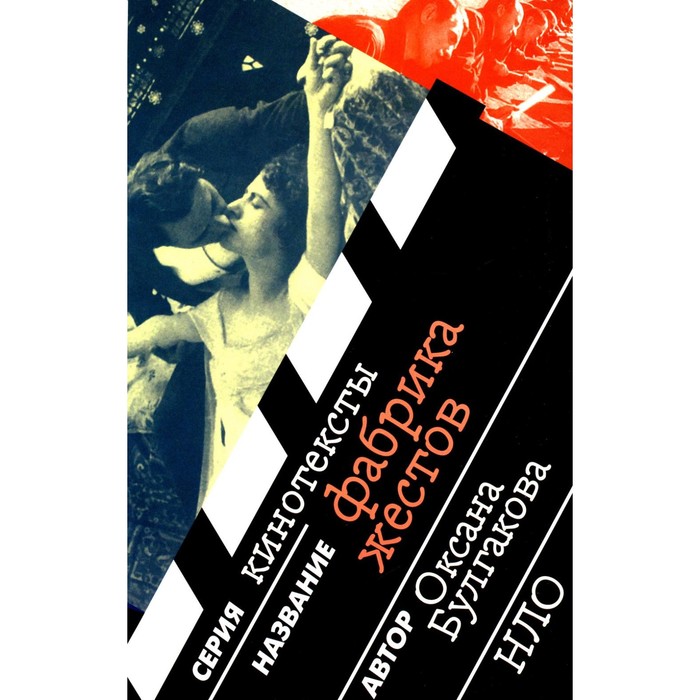
The appearance of the movie gave rise to several utopias, one of which was due to the fact that this device by recording of movement exacerbates the imitative abilities of the audience in relation to motor reactions. This book is trying to trace how the bodily behavior has changed, as the cinema captured it, within the twentieth century - in Russia between the two world wars, in post -war Europe and in China at the fracture by the XXI century. The modernization and urbanization of Russian society (withdrawal from aristocratic etiquette, from peasant, monarchical and church rituality) were inseparable from utopian projects to create a new anthropological type - Soviet man, subjecting a national tradition to radical rethinking.
After 1945, the re -education of the Germans in the spirit of democracy was a conscious program, on which American politicians, psychologists and anthropologists, and films played a huge role in it. The country was seen as a social laboratory, which brings the American post -war experiment closer to Soviet experience. Chinese cinema during the 20th century hesitated between the national canon and the universally understandable cinema.
Oksana Bulgakova - Kinoveda, Professor of the University of Main named after Johann Gutenberg.
| Characteristics | |
| A country | Russia |
| Author | Bulgakova Oksana |
| Number of pages | 640 |
| The year of publishing | 2021 |
| Type of cover | Soft binding |
There are no reviews for this product.