
Hagakur. Bushido. Tsunetomo J.
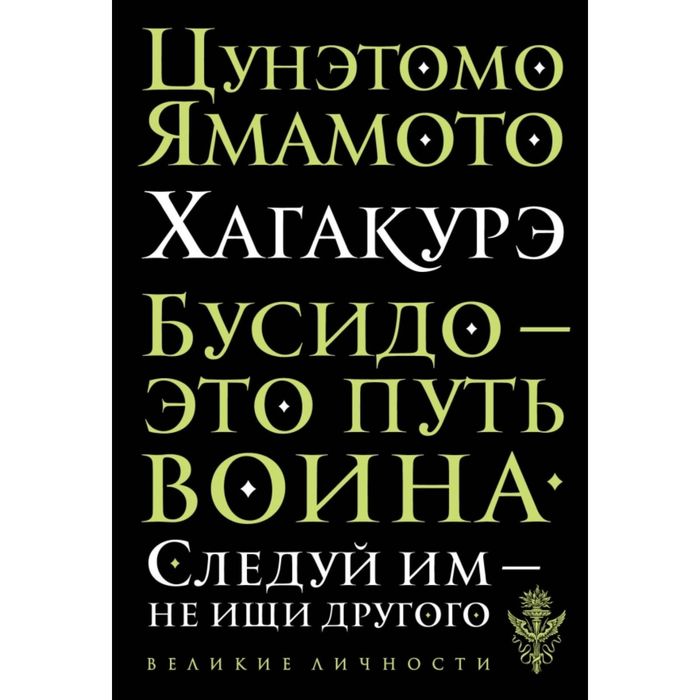
Tsunetomo Yamamoto lived in Japan in the 18th century. He was samurai and served the ruler of the Saga province. The trials that the warrior was subjected to those underwent in those days were extremely harsh, and many samurai spent their lives in constant anxiety before the danger of staining their noble name with an unseemly act. When his master died, Yamamoto intended to commit Harakiri in accordance with the requirements of honor. However, the new law, issued by the Tokugawa shogun, forbade ritual suicides, and Yamamoto had to become a monk. He lived to an old age and managed to dictate a book in which he together collected the dogmas of the honor of the samurai, the code of behavior, the practical and spiritual leadership of the warrior - “Hagakure” (“Life in the folia”). , implied two things: a diligent study of all martial arts and a special state of mind. Yamamoto in his book pays the most attention to the latter. His instructions shed light on the Japanese warrior so different from the European way of life and the moral philosophy of the Japanese warrior, the special place in the worldview of which is readiness and even the desire to give life for his ruler - the state of mind and heart, so little familiar to the Europeans of our time.
| Characteristics | |
| A country | Russia |
| Author | Tsunetomo Yamamoto |
| Kit | No |
| Number of pages | 160 |
| The year of publishing | 2020 |
| Type of cover | Soft binding |
| Type of paper | Offset puffy 70/60 kama |
| Type of philosophy | East |
There are no reviews for this product.