Introduction to the classic Tibetan language. Textbook with a dictionary. 4th edition. Hodge S.
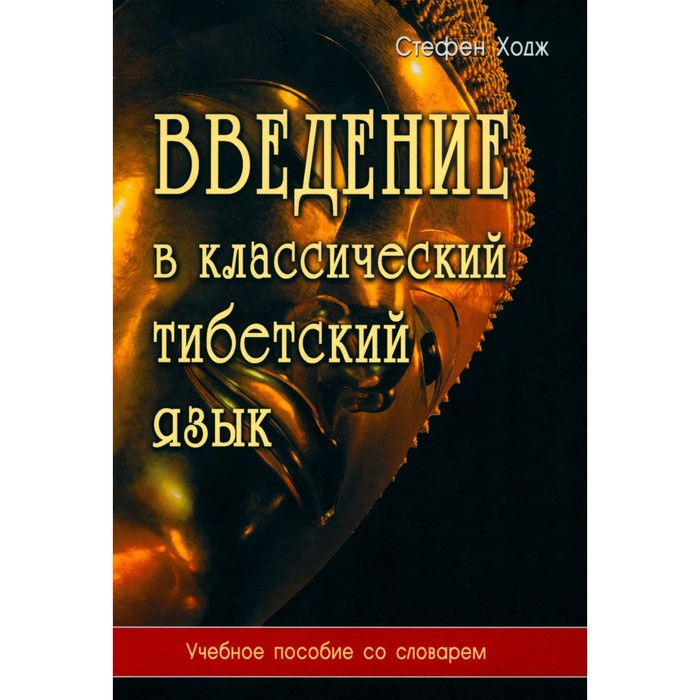
Tibetan language belongs to the family of Indochinese or monosyllabic languages, to the group of it, which some linguists call Zagimalayskaya, ranks the languages of Gayarun, sharpen, maniakmanak, takla, Horpa, Horpa, Horpa, Actually the Tibetan language, or Bhotya, and Bhotye- Lo. The monosyllabic principle of the structure was carried out in it in such purity as in the Chinese language and languages of Thai (Siamese, etc.); It already observed agglutination, although to a rather weak extent, along with the internal change in the verb roots, which matters of real flexion.
Tibetan language comes from the Tibeto-Birman language group, and also may be a distant relative of Chinese. In various local forms, it is used in the Tibetan cultural space, including Tibet itself, the western regions of China and the peripheral regions from the fret along the southern border of Tibet to Butan. With the spread of Tibetan Buddhism, some members of the Mongolian sangha began to understand this language.
The goal of this book is the accelerated representation of the main elements of the classic Tibetan language so that students can choose the texts of interest to them from a huge amount of written materials remaining both non -transmitted and unexplored.
| Characteristics | |
| A country | Russia |
| Age | From 16 years old |
| Author | Hodge Stefen |
| Number of pages | 240 |
| School subject | Tibetan language |
| The language of the publication | Tibetan |
| The year of publishing | 2023 |
| Type of cover | Hard cover |
There are no reviews for this product.