
Karl Gustav Jung and the ancient Indian philosophy of consciousness: comparative analysis. Efimova I.Ya.
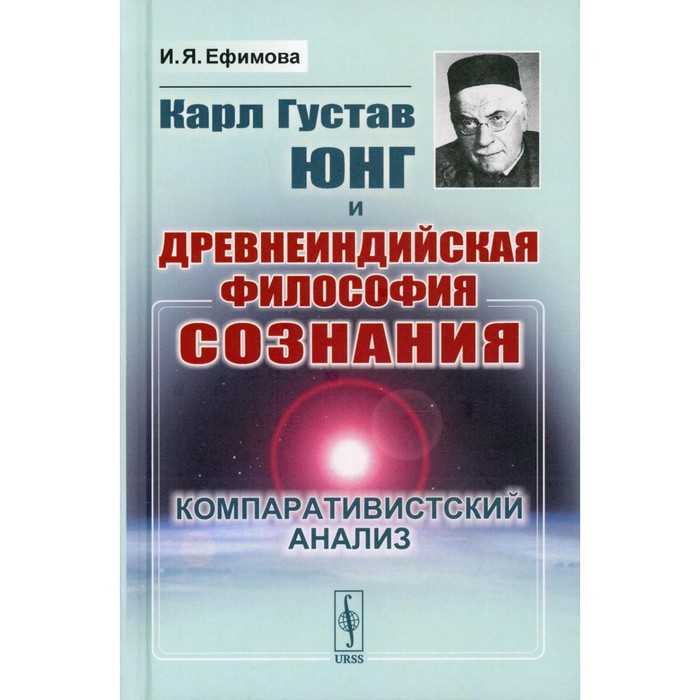
The key theme of this work is the problem of consciousness, which is presented in two aspects: as a general philosophical question and as an existing theoretical material that allows us to talk about historical and philosophical parallels. The subject of comparative research is two fundamental theories representing the philosophical heritage of thinkers of the East and West, the conceptual analysis of which was carried out on the basis of the analytical psychology of K. G. Jung and the Buddhist philosophy of consciousness (Sarvastivada schools, saunas and vidzhnyanavada). Here the main unifying factor is also the phenomenon of consciousness, the study of the structure and functions of the human psyche. In addition, the book considers the facts of the creative heritage of K. G. Yung not previously investigated.
The book is intended for philosophers, psychologists, culturalists, including university teachers, graduate students and students of humanitarian specialties, as well as everyone who is interested in the Western and Eastern philosophy of consciousness.
| Characteristics | |
| A country | Russia |
| Age | From 16 years old |
| Author | Efimova Irina Yakovlevna |
| Number of pages | 238 |
| The year of publishing | 2022 |
| Type of cover | Hard cover |
There are no reviews for this product.