
Literary feature of sedimentary. From Gogol to Babel. Glayer A.
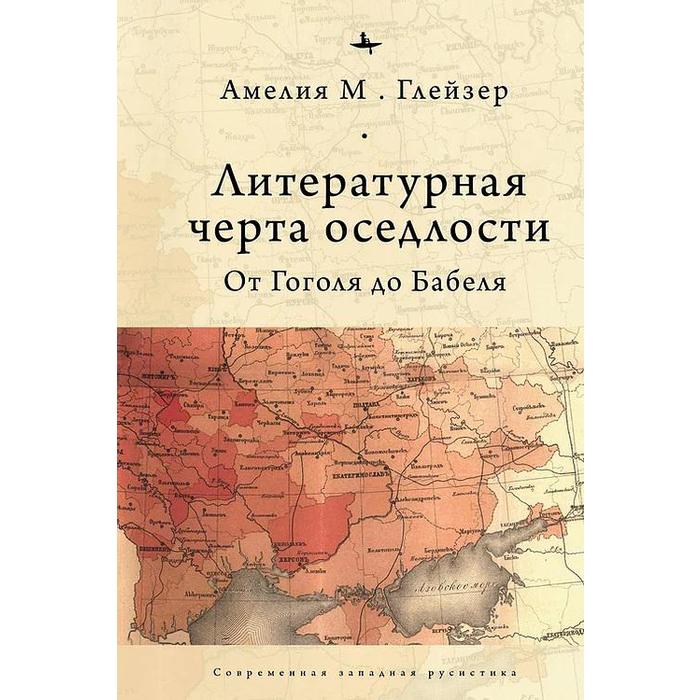
Studies of Eastern European literature are for the most part limited to one language, culture or nationality. The book of Amelia Glazer “From Gogol to Babel” examines the intensive processes of cultural exchange between writers who lived in the territories of modern Ukraine and worked in Russian, Ukrainian and Yiddish. As the author shows, markets and fairs in modern Ukraine played a key role in the development of literary traditions of the Russian, Ukrainian and Jewish peoples over the past century of the existence of the Russian Empire and in the early years of the Soviet era. They were closely related to each other, sometimes conflicting, but invariably enriching each other with artistic and cultural images. The author analyzes literary works from the "Sorochinsky Fair" (1829) N.V. Gogol to the stories of I. Babel about the violent collectivization of 1929. Amelia Glazer convincingly shows that Gogol’s work had a deep influence not only on Russian, but also on Ukrainian and Jewish writers, such as Grigory Kvitka-Osnovyanenko and Sholom Aleichem.
| Characteristics | |
| A country | Russia |
| Age | From 12 years |
| Author | Glazer Amelia M. |
| Kit | No |
| Number of pages | 336 |
| The subject of the book | Humanitarian sciences |
| The year of publishing | 2021 |
| Type of cover | Hard cover |
There are no reviews for this product.