
Psalter and prayers for the deceased
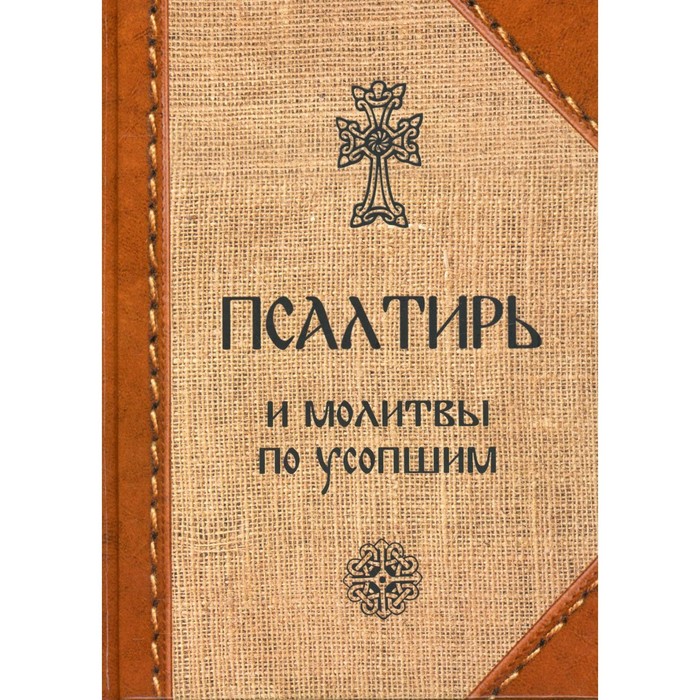
The biblical book of the Psalter consists of 151 psalm, most of which were compiled by King David (XI-X centuries BC), the rest were his pious successors, “chiefs of choirs”. Psalms are prayer appeals to God. They sounds a deep crushing about sins, and tearful petitions, and the joyful thanksgiving of the Lord for His mercy, and marvelous prophecies about Christ the Savior. Psalms sang and read not only in the Old Testament times. Christ himself sang them along with the disciples, their many ascetics of the ancient church sang. Psalms are an integral part of each church service. Formations from psalms are found in many Orthodox prayers. In ancient Rus', the Psalter was the main book of the laity. Children studied for reading it. The psalms of the 50th (“Have mercy on me, God.”), The 90th (“Living in the help of the Vyshnyago.”) Few of the believers did not know by heart. The psalter for convenience is divided into. 20 kafism, each of which, in turn, is divided into three parts, called "glory". From ancient times, the prayers of the Blessed Trinity, the Lord Jesus Christ and His Most Holy Mother, beching a purely repentant character, joined the reading of kafism. Since ancient times, Psalter is customary to read by the deceased. She was read at the coffin of the deceased within 40 days after his death and on other days, adding a prayer for the salvation of the soul of the deceased after every “glory”. The experience of the church indicates that reading these psalms and prayers, committed with reverence and repentance, calls on the mercy of God in the souls of the deceased. In addition, such a reading brings relief to the loved ones to the deceased, reminds them of the goodness of God, the direct dependence of the afterlife of the human soul on His active faith in Christ during earthly life. However, prayer prayers for the deceased are not limited to reading the psalter. This edition provides “an adaptation by the outcome of the soul from the body” and the panichid with a worldly rank, lithium, committed by the layman of the house and in the cemetery, canon of the Monk Paisius of the Great for those who died without repentance, as well as a number of other prayers, for example, about the reconciliation of those who died after a hard and prolonged and long -term Diseases, about those who died in a state of mental illness, about the repose of the Orthodox warriors. This book contains not only prayers for the dead, but also about those who are at death, is not able to read prayers themselves, but can listen to them. Two canons are usually read for such people. One of them is called “the canon, which is the separation of the soul from the body, the person is freely suffering for a long time”, and the second is “the canon prayer to our Lord Jesus Christ and the Most Herever, the Mother of the Lord, when the soul is separated from the body of all guessy.” Recall the loved ones of the dying about how important it is to commit the sacraments of confession over him, the participle of the Holy Mysteries of Christ, Elepensions (Council).
.| Characteristics | |
| A country | Russia |
| Age | From 16 years old |
| Author | The team of authors |
| Editor | Glazkov K.V. |
| Kit | No |
| Number of pages | 512 |
| Religion | Christianity / Orthodoxy |
| The year of publishing | 2021 |
| Type of cover | Hard cover |
There are no reviews for this product.