
Psychology of art. Vygotsky L.S.
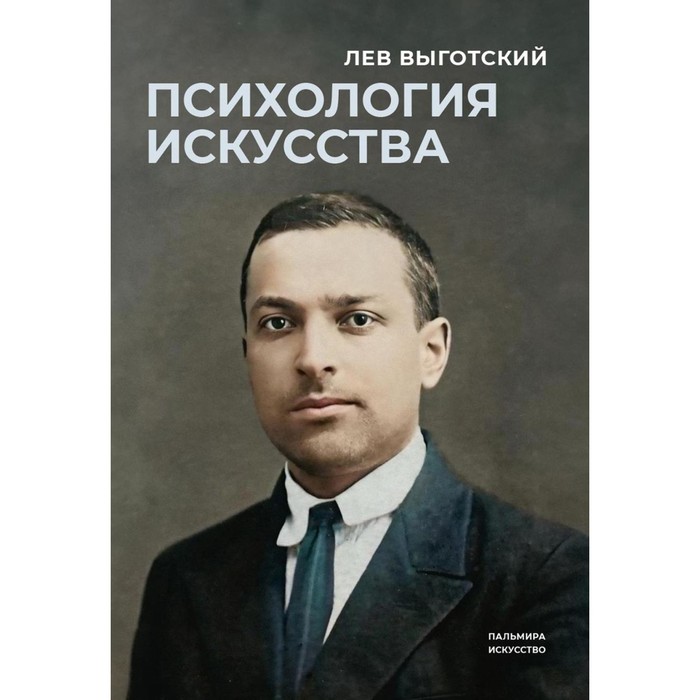
“Psychology of art” is the fundamental work of the outstanding scientist of Vygotsky (1896–1934), who became revolutionary for his time and had a significant impact on many scientific disciplines in the 20th century. At the dawn of the formation of domestic psychology, the scientist made the first attempt for her to explore one of the most complex and mysterious areas of human activity - art. The material of his research was many classical works - fables, novels, Shakespeare's tragedy, but the main question that the author puts in front of himself goes far beyond the history of the history and theory of literature: what makes the thing a work of art, artistic creation? To answer him, Vygotsky turns to the analysis of poetics, however, in return for the closed system of connections, repetitions, contrasts, etc. It demonstrates the openness of the artistic form, its a priori openness of human perception.
precisely as the fact of inner life, deep Mental experience, art, according to the researcher, reveals to us his true purpose: to be a place of birth of a new person, not yet revealed, not what happened, possible.
| Characteristics | |
| A country | Russia |
| Age | From 12 years old |
| Author | Vygotsky Lev Semenovich |
| Number of pages | 415 |
| The year of publishing | 2024 |
| Type of cover | Hard cover |
| View | Classical and professional psychology |
There are no reviews for this product.