
Psychology of art. Vygotsky L. S.
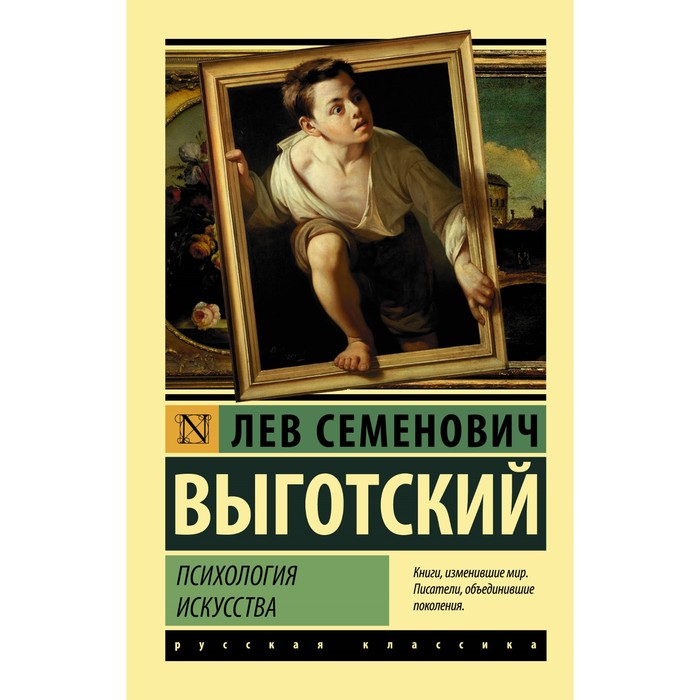
The psychology of art was written by Vygotsky in the early 20s of the XX century, in the midst of post-revolutionary disputes about the future fate of culture. The young scientist put forward the original idea that every work of art is a system of stimuli, consciously and deliberately used by artists in order to cause a certain aesthetic reaction in the audience. Consequently, the psychologist, just as the detective builds a picture of a crime based on the analysis of the testimony of the accused, witnesses and the victim, can also give a voluminous picture of the planned reaction of the audience based on the analysis of the structure of irritants. A real work of art always “reels” its creator and the one who perceives this work, says Vygotsky. And in this “re -melting”, which in itself is a creative act, he sees the true meaning and purpose of art. The author illustrates and confirms his ideas and confirms with examples of a brilliant analysis of the works of such different forms and content as Shakespeare's play “Hamlet”, Krylov’s fables and the story of I. Bunin “Easy Breath”.
| Characteristics | |
| A country | Russia |
| Age | From 12 years old |
| Author | Vygotsky Lev Semenovich |
| Kit | No |
| Number of pages | 480 |
| The year of publishing | 2021 |
| Type of cover | Soft binding |
| Type of paper | Newspaper 76/45 |
| View | General psychology |
There are no reviews for this product.