
Reorganized crime. The mafia and antimatia in the post -Soviet Georgia (12+). Slade Gavin
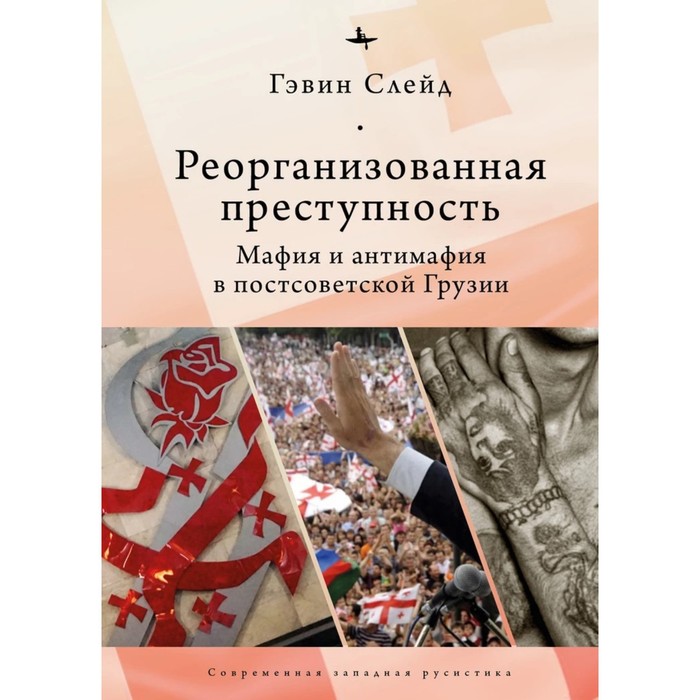
After the collapse of the Soviet Union in 1991, a small mountain republic with a population of 4.4 million people, located south of Russia between the Black and Caspian Seas, was considered one of the most corrupt and criminogenic republics of the post -Soviet space. State institutions were weak, and they lacked legal support; The economic and social life of most of the population of Georgia proceeded outside the framework of the rule of law. Against the backdrop of the weakness of the central government, the status of field commanders and criminals was especially high. Like thieves in law were romanticized and perceived as honest and unbending people, a hybrid of the Soviet prisoner of the Gulag, known as the “thieves”, and the Caucasian criminal of the Horse, known as the “abrek”. It was in them that those who carry out informal management, arbitration and forced execution of sentences were seen.
for many years, for people like Lasha, Georgia was a genuine estate. Nevertheless, as he himself admitted, by 2012, from an exemplary post -Soviet republic, in which organized crime reigns, Georgia has turned into a country that is not at all suitable for the bosses of the criminal world. What has changed? This book answers this question. In short, it is devoted to the changeable stability of criminal groups and the success of state measures aimed at reducing the influence of organized crime.
| Characteristics | |
| A country | Russia |
| Age | From 12 years |
| Author | Slade Gavin |
| Kit | No |
| Number of pages | 303 |
| The year of publishing | 2021 |
| Type of cover | Hard cover |
| Type of paper | Offset |
There are no reviews for this product.