
Sincerity after communism: Cultural history. Rutten E.
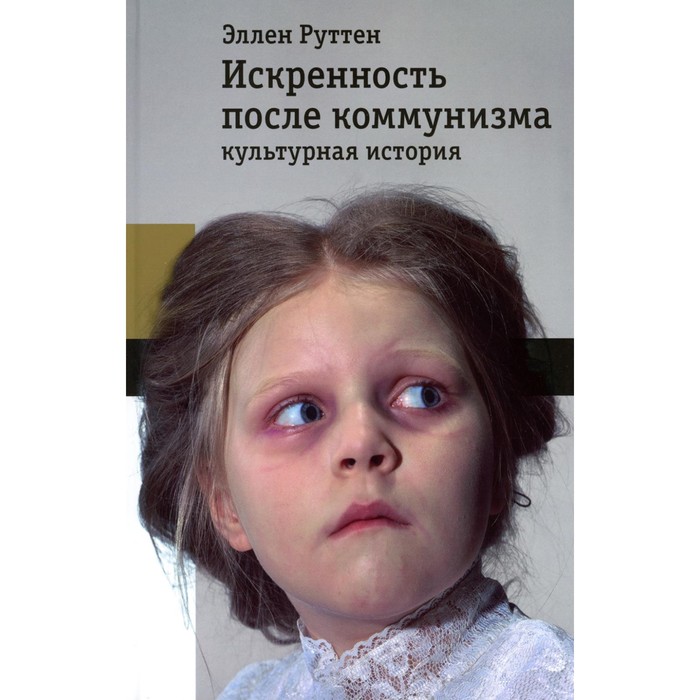
The new sincerity became a global cultural phenomenon shortly after the collapse of the communist system. Its influence is felt in literature and journalism, art and design, fashion and cinema, advertising and architecture. In his book, the cultural historian Ellen Rutten traces how the new rhetoric of direct social statement is born and penetrates into public life with a difficult combination of ultimate honesty and an ironic verbal game characteristic of it. Analyzing this powerful trend, taking the origins in late Soviet Russia, the author raises an important topic of transformation of identity in the post -communist, postmodern and post -dygital world. She also seeks to answer the question of how and why the unique Russian artistic and social reflection was formed under the influence of collective memory, compliance and mediation of culture, as the debate of new sincerity in the post -Soviet Russian -speaking space merged with a universal call for the “revival of sincerity”.
Working at the intersection of the history of emotions, the theory of mass communications and post-Soviet studies, the author complies with modern cultural reality in a new way, which has a deep impact on creative thought, artistic activity and lifestyle almost throughout the world.
Ellen Rutten - Professor, Head of the Department of Russians and Slavicism of the University of Amsterdam.
| Characteristics | |
| A country | Russia |
| Author | Rutten Ellen |
| Number of pages | 416 |
| The year of publishing | 2022 |
| Type of art | Verbal |
| Type of cover | Hard cover |
There are no reviews for this product.