
Talismans and amulets: school guide. Afonkin S.Yu.
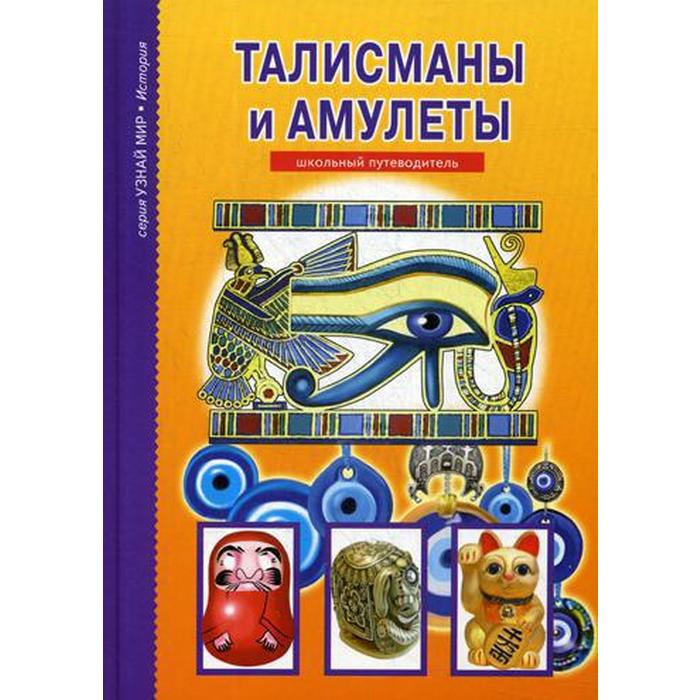
Many words and images have two meanings. The first is the most obvious. We say “bear” and we mean a forest, clubfoot resident. The second meaning is allegorical, iconic. The bear is a symbol of strength and power, a forest giant. It is not for nothing that the bear is depicted on the coat of arms of many cities, and not, for example, a badger.
We live in a world of signs and symbols. Everyone has its own meaning, and about everyone you can tell their history. Some symbols are perceived differently by different nations. For example, the image of a rat can be bad or good depending on the country and religion. The meaning of symbols changes in time. For the Romans, the Cross was associated with the shameful execution, which was subjected to criminals and slaves. The centuries have passed, and now Christians perceive the cross as a symbol of salvation, philanthropy and hope.
complex signs, symbols of our culture are literally impregnated. The perception of symbols depends on our education. For example, looking at the pearl, you can see just a beautiful mother of pearl ball. And the person will tell the knowledgeable both about the feminine beginning of Yin, and about the mysterious ball of wisdom, which the dragons of the East keep in the paws. Knowledge of symbolism enriches our perception of the world, makes it more voluminous and colorful.
| Characteristics | |
| A country | Russia |
| Age | From 12 years |
| Artist | Smirnova M.V. |
| Author | Afonkin Sergey Yuryevich |
| Editor | KUBERSKY I. Yu. |
| Kit | No |
| Number of pages | 96 |
| The topic of training | The world |
| The year of publishing | 2019 |
| Type of cover | Hard cover |
| Type of paper | Crossed |
There are no reviews for this product.