
The balance of power. History, rhetoric, proof. Ginzburg K.
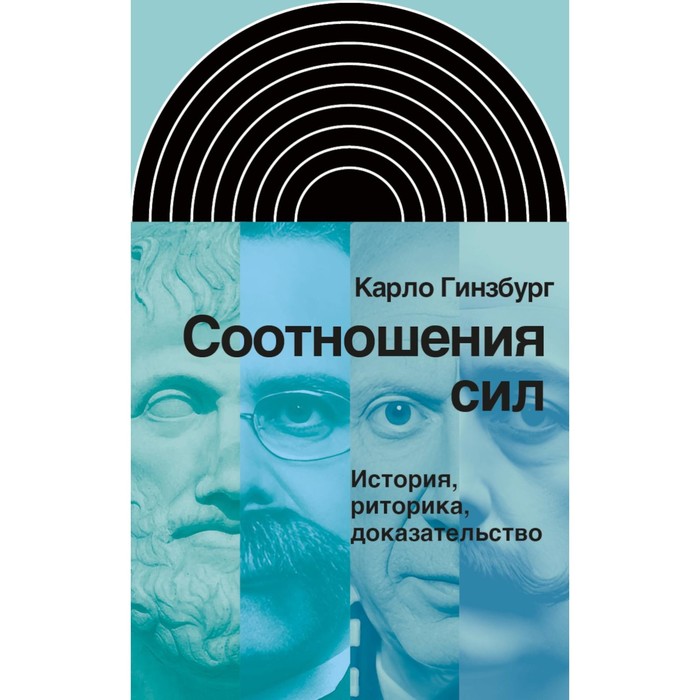
For decades, postmodern skeptics have argued that it is impossible to strictly distinguish between truth and fiction, and history should be identified with rhetoric. But what rhetoric are we talking about? Polemicing with relativists, the famous historian Carlo Ginzburg shows that postmodern skepticism was inspired by F. Nietzsche's early composition of the truth and lies, in which rhetoric, contrary to Aristotle, was strongly contrasting evidence. However, in a tradition founded by Aristotle and then from Quintilian to Lorenzo Valle, the connection between rhetoric and proof is central.
Identifying the difference between the two versions of rhetoric, Ginzburg proposes to look from a new angle at a variety of plots: a speech against European colonialism, uttered by a rebel and included in the composition of the French Jesuit of the XVIII century; Empty lines in the famous novel “Education of feelings”, which Proust considered the climax of the entire work of Flaubert; The winding path that led Picasso to the Avignon Maidens. The author’s task is to demonstrate that within historical science the need for evidence has not yet been disappeared, and historical knowledge is still possible.
| Characteristics | |
| A country | Russia |
| Author | Ginzburg Carlo |
| Number of pages | 184 |
| The year of publishing | 2024 |
| Type of cover | Hard cover |
There are no reviews for this product.